
Balance Transfer
Smart Debt Management: Harnessing the Power of Balance Transfers.
2/25/20253 min read

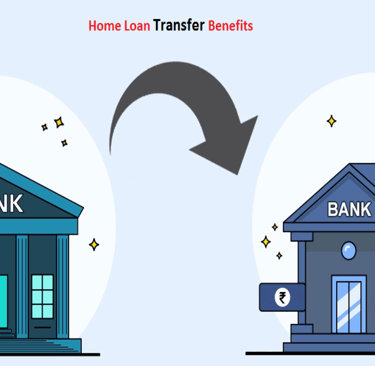
Smart Debt Management: Harnessing the Power of Balance Transfers
Juggling multiple debts with varying interest rates and due dates can feel like a financial tightrope walk. If you're looking for a smarter way to manage your credit card debt and potentially save money, a balance transfer could be the strategic move you need. Let's dive into what balance transfers are all about and how they can work for you.
What is a Balance Transfer?
In essence, a balance transfer is like consolidating your credit card debt onto a new credit card, often with a lower interest rate, especially for a promotional period. Imagine you have balances on a few different credit cards, each charging you interest. A balance transfer allows you to move those balances to a single new card.
The key attraction is often a 0% introductory APR (Annual Percentage Rate) for a specific period, like 6, 12, or even 18 months. During this time, you pay no interest on the transferred balance, allowing you to focus on paying down the principal amount faster.
How Does a Balance Transfer Work?
Apply for a Balance Transfer Credit Card: You'll need to apply for a new credit card that offers balance transfers. Many credit card issuers have cards specifically designed for this purpose.
Request the Transfer: Once approved, you'll request to transfer the balances from your existing credit cards to your new balance transfer card. You'll typically provide the account numbers and balances of the cards you want to transfer from.
Balance is Transferred: The new credit card issuer will then pay off your old credit card balances, and those amounts will become your new balance on the balance transfer card.
Repay at a Lower Rate: You now have a single credit card balance, ideally at a much lower interest rate (often 0% for the intro period). You then make payments to the new card issuer.
What are the Benefits of a Balance Transfer?
Lower Interest Rates: The primary advantage is the potential to significantly reduce or even eliminate interest charges for a period. This can save you a substantial amount of money and help you pay off debt faster.
Faster Debt Repayment: With lower interest, more of your payment goes towards reducing the principal balance, accelerating your debt payoff journey.
Simplified Debt Management: Instead of managing multiple credit card payments, you consolidate your debt into a single monthly payment, making budgeting and tracking easier.
Improved Credit Utilization: Paying down balances can improve your credit utilization ratio (the amount of credit you're using versus your total available credit), which can positively impact your credit score.
Key Features to Look For in a Balance Transfer Card:
0% Introductory APR Period: The length of the 0% APR period is crucial. Choose a period that realistically allows you to pay off a significant portion or all of your transferred balance.
Balance Transfer Fee: Most balance transfer cards charge a fee, typically a percentage of the transferred amount (e.g., 3-5%). Factor this fee into your calculations to ensure the transfer is still beneficial.
Regular APR After Intro Period: Be aware of the regular APR that will apply after the introductory period ends. Ideally, aim to pay off the balance before this happens.
Other Card Benefits: Consider any other perks the card offers, such as rewards programs or cashback, but prioritize the balance transfer terms first.
Things to Consider Before You Transfer:
Balance Transfer Fees: Calculate the fee and ensure the interest savings outweigh the cost of the fee.
Credit Score: You'll generally need a good to excellent credit score to qualify for the best balance transfer cards with 0% APR offers.
Spending Habits: Balance transfers work best if you stop accumulating new debt on your old credit cards. Address the spending habits that led to the debt in the first place.
Repayment Plan: Have a plan to aggressively pay down the transferred balance within the 0% APR period. Use online calculators to estimate monthly payments.
Read the Fine Print: Carefully review the terms and conditions of the balance transfer offer, including the introductory period, fees, and the regular APR.
How to Apply for a Balance Transfer Card:
Check Your Credit Score: Know your credit score to assess your chances of approval for the best offers.
Research and Compare Cards: Explore balance transfer cards from different issuers, comparing APR periods, fees, and other features. Websites that compare credit cards can be very helpful.
Apply Online: Most applications can be completed online.
Request Balance Transfer: Once approved, follow the card issuer's instructions to initiate the balance transfer.